


Know the Risks
.png)
Lung cancer develops when harmful exposures damage lung tissue over time. While smoking remains the leading cause, other factors such as radon exposure, secondhand smoke, and occupational hazards also increase risk. Understanding these risks can help individuals take steps to reduce exposure and determine whether they may qualify for lung cancer screening.
In Missouri, higher smoking rates and elevated radon levels contribute to one of the highest lung cancer burdens in the United States.
Smoking and Tobacco Use
80%
Responsible for 80% of ALL cancer deaths.
70
70 chemicals in tobacco are known to cause cancer.
3rd
Secondhand smoke is the 3rd leading causes of lung cancer.
10-15
10-15 years after quitting, your risk of lung cancer drops by half.
Smoking is the leading cause of lung cancer, responsible for about 80–85% of cases.
Risk increases based on:
-
Number of years smoking
-
Number of cigarettes per day
-
Exposure to secondhand smoke
-
Use of other tobacco products
People who currently smoke or who have smoked in the past may qualify for annual lung cancer screening with a low-dose CT scan, which can detect lung cancer early when it is more treatable.
Quitting smoking significantly reduces lung cancer risk. Ten years after quitting, the risk of dying from lung cancer drops by about half compared to someone who continues to smoke.
.png)
Radon Exposure
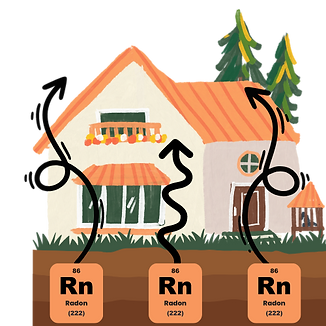
Radon is a naturally occurring radioactive gas that can accumulate in homes and buildings.
It is the:
-
Second leading cause of lung cancer
-
Leading cause of lung cancer among people who have never smoked
In Missouri:
-
Approximately 1 in 3 homes test above the EPA action level for radon
Radon exposure combined with smoking increases lung cancer risk more than either exposure alone.
Children also have a higher risk when exposed to radon gas.
Testing homes for radon and mitigating high levels are important steps in reducing risk.
Occupational and Other Environmental Exposures
-
Ongoing chemical exposure to materials containing asbestos, uranium, arsenic, cadmium, chromium, nickel, and some petroleum products.
-
Interaction with these materials is common in jobs like automotive repair shops, mining, maritime companies, construction, power plants, and many others.
-
Frequent exposure to these chemicals can increase your risk to lung cancer, and other cancers like bladder, kidney, pancreatic and more.
-
For more information click here
Certain workplace exposures can increase lung cancer risk, including:
-
Asbestos
-
Diesel exhaust
-
Silica dust
-
Arsenic
-
Industrial chemicals
Workers in industries such as construction, mining, manufacturing, and transportation may face higher exposure risks.
Proper workplace safety protections and monitoring can help reduce these risks.
.png)
Air Pollution
-
Air pollution is caused by harmful chemicals being released into a surrounding area that can cause adverse effects on health.
-
Air pollution is already linked to lung cancer, but recent studies suggest it might be linked to breast, liver, and pancreatic cancer.
Other Potential Risks
Genetic factors
-
There are specific inherited gene mutations that may increase your risk of lung cancer.
-
These can be tested through blood test or a tumor biopsy.
Previous radiation therapy to lungs
-
People who are cancer survivors who had previous radiation therapy to the chest may be at a higher risk of lung cancer.
.png)
.png)
.png)
Sources
https://www.cdc.gov/niosh/hhe/ https://www.cancer.org/cancer/types/lung-cancer/causes-risks-prevention/what-causes.html
https://www.mskcc.org/cancer-care/types/lung/diagnosis/genetic-testing
https://www.aacr.org/patients-caregivers/progress-against-cancer/air-pollution-associated-cancer/
https://www.cdc.gov/tobacco/campaign/tips/diseases/cancer.html